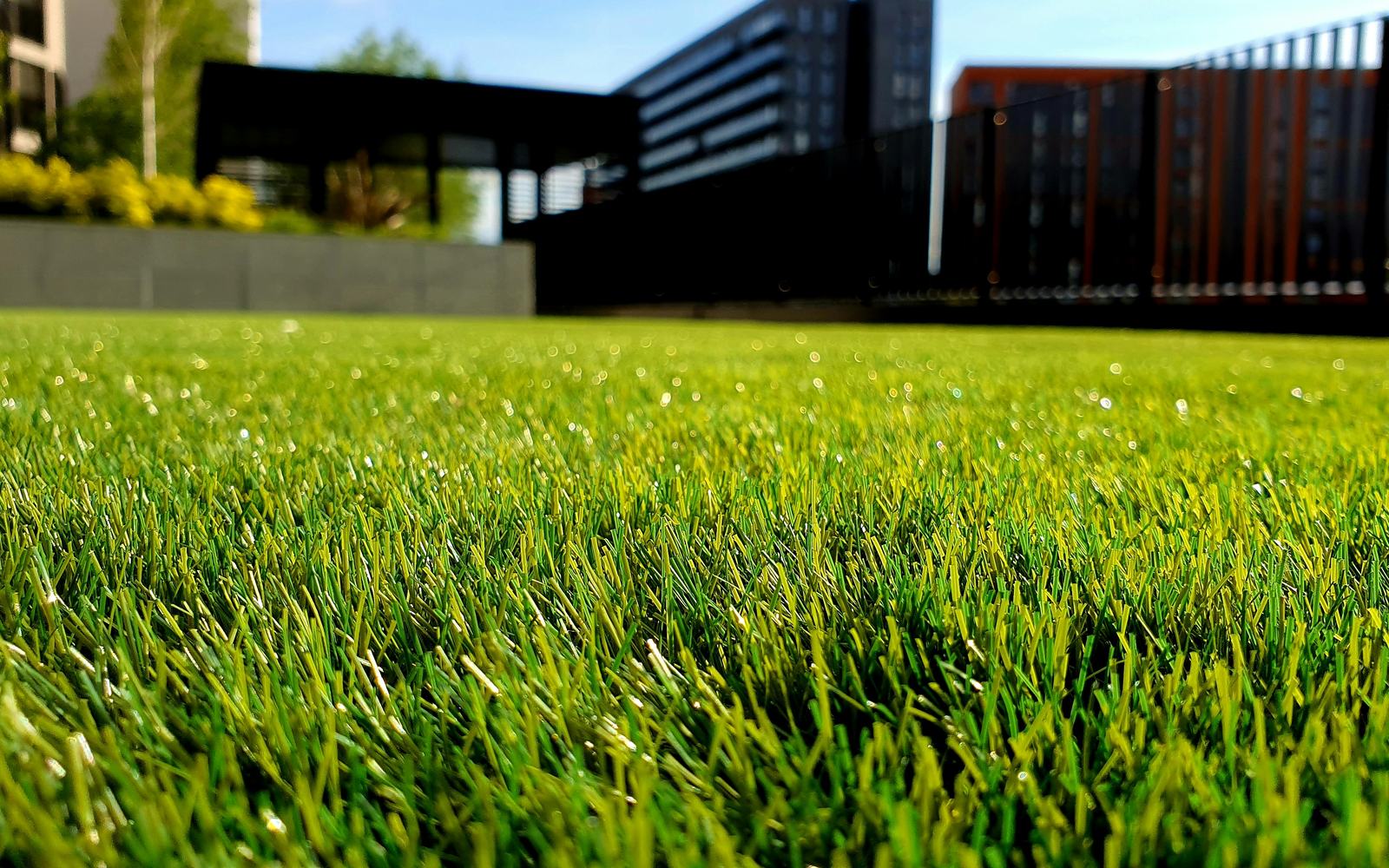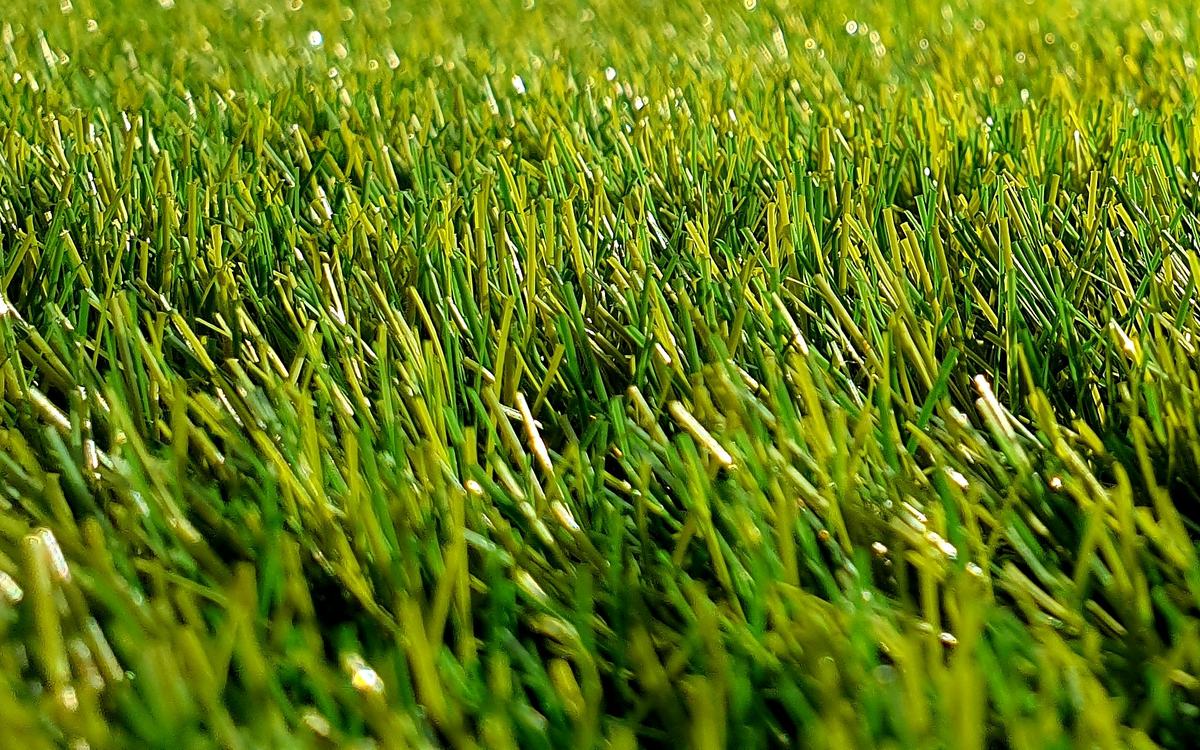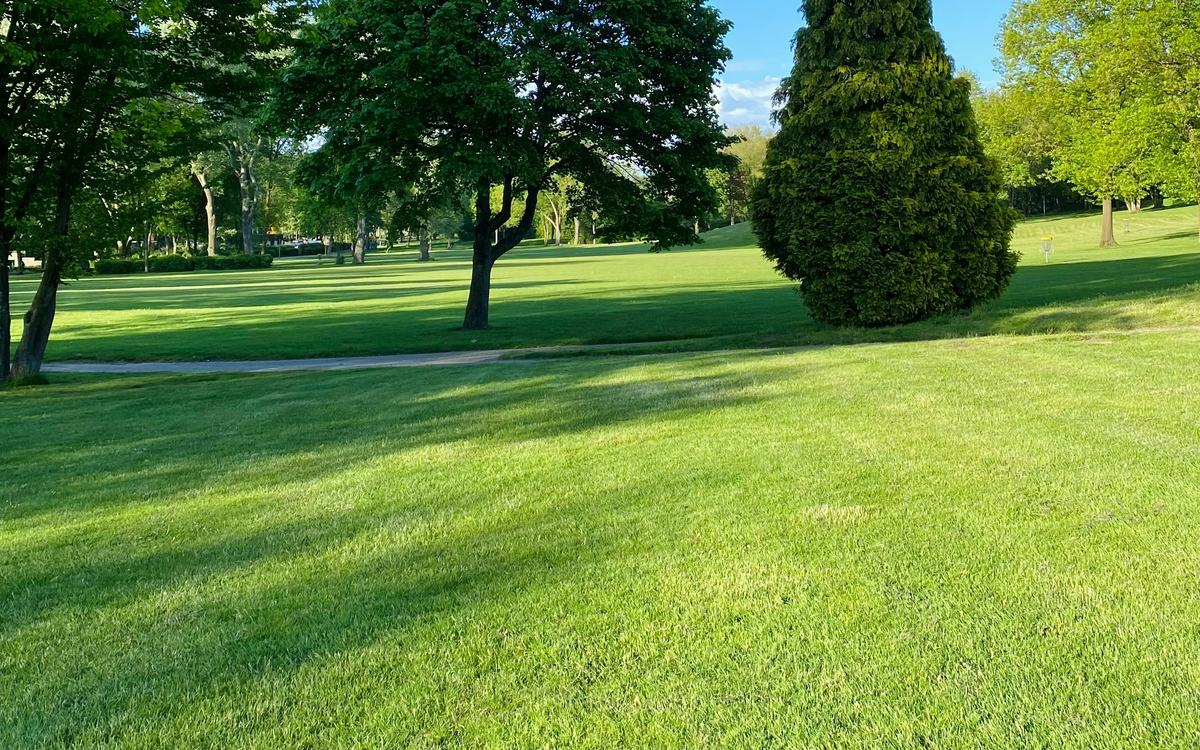
If there’s one change that would improve most lawns I visit, it’s this: raise the mower. A short, stripy lawn looks great for a day, but grass cut too low is weak, shallow-rooted and easily taken over by moss and weeds — especially in our wet, shady Lake District gardens.
The right height for a family lawn
For a typical garden lawn, aim to keep the grass at around 2.5–4cm through the main growing season. Go higher — 4–5cm — in shady areas, during dry spells in summer, and in autumn as growth slows. Longer grass has deeper roots, stays greener and shades out weed seedlings.
The one-third rule
Never remove more than about a third of the grass height in one cut. If the lawn has got away from you — after a holiday or a wet fortnight — bring it down gradually over two or three mows rather than scalping it in one go.
How often to mow
| Time of year | How often | Tip |
|---|---|---|
| March – April | Every 1–2 weeks | First cuts on the highest setting |
| May – June | Weekly (sometimes twice) | Peak growth — little and often |
| July – August | Weekly | Raise the height in dry spells |
| September – October | Every 1–2 weeks | Leave it longer going into winter |
| November – February | Rarely, if at all | Only a light topping in mild spells, when dry |
Mowing in a wet climate
- Wait for it to dry: mowing wet grass tears the blades and compacts soft ground.
- Keep the blades sharp: blunt blades rip the grass, leaving ragged, brown tips that invite disease.
- Stay off waterlogged lawns: you’ll squash the soil and make drainage worse.
- Collect the clippings when it’s damp: wet clippings left on the lawn mat down and add to thatch.
Good lawn maintenance is more than mowing
Mowing well keeps a lawn healthy, but it can’t fix hunger, compaction or moss on its own. Regular feeding, occasional aeration and dealing with moss make the biggest difference to Lake District lawns.
Want a thicker, greener lawn?
I’ll take a look at your lawn for free and tell you what would make the biggest difference.
- Call or text me (Sacha): 07912 650960
- WhatsApp a photo: Send me a picture of your lawn for quick advice
- Email: info@toplawncare.co.uk